

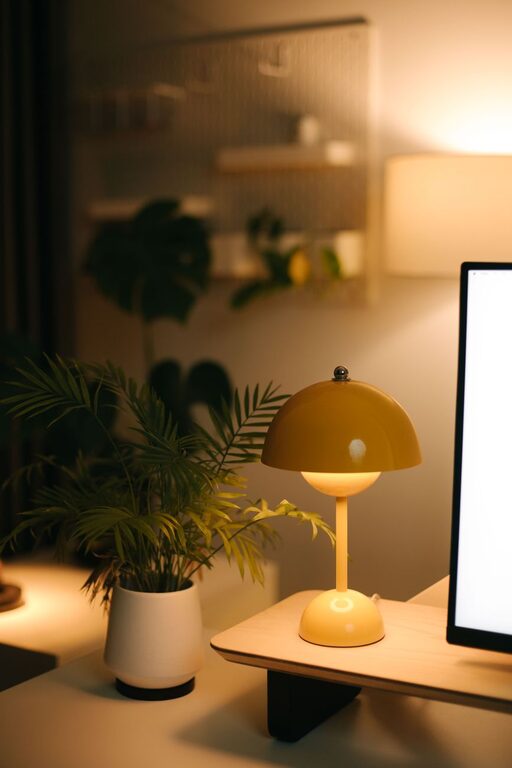
Creating a cozy and inviting home office is essential for anyone who spends a significant amount of time working from home. A well-designed workspace can boost your productivity, keep distractions at bay, and help you maintain a healthy work-life balance. In this post, we’ll explore practical tips to turn your home office into a comfortable and motivating environment.
Why a Cozy Home Office Matters
Your home office should be more than just a desk and chair. It’s a place where you spend hours each day, so it needs to foster focus while also feeling welcoming and personal. When you create a space that feels cozy and inviting, you’re more likely to look forward to your workday and perform at your best.
Choose the Right Location
Start by selecting a spot in your home that minimizes distractions and maximizes natural light.
– Quiet corners away from household traffic are ideal to reduce noise interruptions.
– If possible, position your desk near a window. Natural light helps improve mood and alertness.
– Consider how the room’s temperature and ventilation will affect your comfort throughout the day.
Invest in Comfortable and Functional Furniture
Ergonomics plays a significant role in your office’s coziness and your well-being.
– Desk: Pick a desk at a comfortable height with enough surface area for your equipment.
– Chair: Invest in an ergonomic chair with adjustable support to keep your posture aligned.
– Storage: Use shelves, filing cabinets, or baskets to keep the area organized and clutter-free.
Personalize with Warm Colors and Textures
Colors and textures can make a big difference in making a space feel inviting.
– Choose colors like soft blues, warm neutrals, or muted greens that promote calmness.
– Incorporate textures through rugs, cushions, or throws to add warmth.
– Avoid overly bright or harsh colors that might feel stressful or distracting.
Add Thoughtful Lighting
Good lighting is crucial for both comfort and productivity.
– Use a combination of ambient lighting (overhead lights) and task lighting (desk lamps) to reduce eye strain.
– Consider warm light bulbs rather than cool, harsh lighting.
– Position lights to avoid glare on computer screens.
Bring in Nature
Adding plants is an easy way to improve air quality and create a pleasant atmosphere.
– Choose low-maintenance plants like succulents or snake plants if you’re new to gardening.
– Place plants near your desk or windowsill for a touch of green.
– Natural elements like wood or stone accessories also contribute to a cozy feel.
Organize and Declutter Regularly
A clutter-free workspace helps maintain focus and reduces anxiety.
– Use organizers, trays, or drawer dividers to keep supplies in order.
– Make it a habit to tidy your desk at the end of each day.
– Limit decorative items to a few meaningful pieces to avoid distractions.
Incorporate Soothing Scents and Sounds
Sensory elements enhance the comfort of your home office.
– Light a scented candle or use essential oils with calming fragrances like lavender or eucalyptus.
– Soft background music or nature sounds can improve concentration and reduce stress.
– Avoid noisy environments and consider noise-canceling headphones if needed.
Create a Dedicated Break Area
If space allows, designate a small nook for relaxation away from your desk.
– Add a comfortable chair or small sofa for breaks.
– Include items like books, a cozy blanket, or a small table for beverages.
– Taking short breaks in a separate spot can help refresh your mind.
Maintain a Routine and Personal Touch
Your home office should reflect your personality and support your work habits.
– Add personal photos, inspirational quotes, or artwork that motivates you.
– Keep your daily planners or calendars visible to stay on track.
– Adjust your setup periodically to keep the space fresh and inspiring.
—
By following these tips, you can create a home office space that feels cozy, inviting, and efficient. Remember, the goal is to design a workspace that supports your productivity while also offering comfort and personality. Your home office isn’t just a place to work—it’s a place to thrive.