

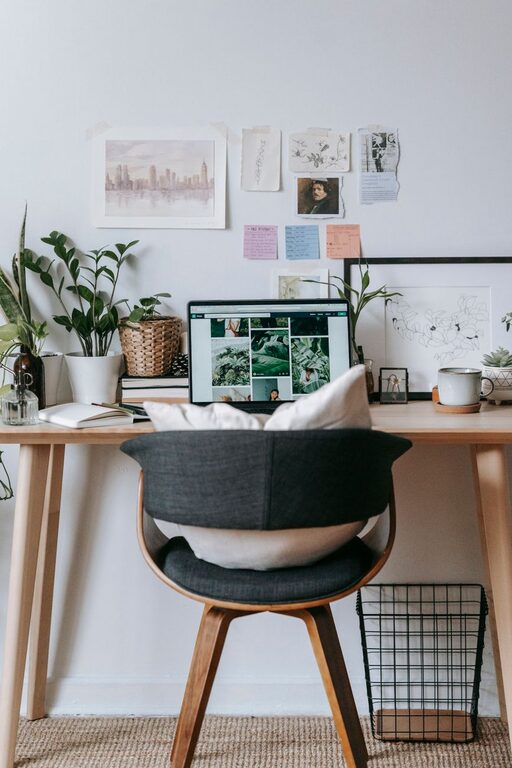
Creating a cozy and functional home office space can transform your work routine and boost your productivity. Whether you work from home full-time or just need a dedicated area for occasional tasks, a well-designed office can make a big difference in comfort and efficiency. Here are some helpful tips on how to set up a space that feels inviting and supports your work needs.
Choose the Right Location
Start by selecting a spot in your home that fits your work style and space availability. Ideally, this should be a quiet area with enough natural light. A corner of a bedroom, an extra room, or even a section of your living room can work well.
– Look for a space with minimal distractions.
– Consider proximity to power outlets and internet connection.
– Think about your view — a window can improve mood and reduce eye strain.
Invest in Comfortable Seating
Your chair is one of the most important elements of your workspace. Spending hours typing or reading means your seating must provide good support.
– Choose an ergonomic chair designed for long-term comfort.
– Adjustable height and lumbar support can prevent back pain.
– Add a cushion or footrest if you need extra comfort.
Use a Suitable Desk
Your desk should match your work habits and fit your space while offering enough surface area for your computer, paperwork, and other essentials.
– A larger desk is great if you use multiple devices or need space for notes.
– A compact desk works well for laptops or light work.
– Adjustable desks that can switch between sitting and standing positions are ideal for flexibility.
Organize with Storage Solutions
Clutter can reduce your focus and make your space feel cramped. Organize your supplies and paperwork using smart storage ideas.
– Use shelves, cabinets, or filing drawers to keep items out of sight.
– Desk organizers help keep pens, papers, and gadgets within reach.
– Label storage containers for easy identification.
Optimize Lighting
Good lighting is essential for reducing eye strain and keeping energy levels up.
– Maximize natural light by placing your desk near a window.
– Use a combination of overhead lighting and task lighting, like a desk lamp.
– Choose bulbs with a color temperature around 4000K to mimic daylight for focus.
Personalize Your Space
A home office should reflect your personality and motivate you to work.
– Add plants to bring life and fresh air to the room.
– Choose artwork or decorative items that inspire you.
– Use calming colors such as soft blues, greens, or neutrals to create a relaxing atmosphere.
Minimize Distractions
Keeping distractions to a minimum helps maintain focus.
– Use noise-canceling headphones or play soft background music if ambient noise is an issue.
– Keep your phone on silent or in another room during focused work periods.
– Establish boundaries with family members or roommates regarding work hours.
Incorporate Technology Wisely
Technology should support your productivity rather than overwhelm it.
– Invest in reliable internet and consider backup options if needed.
– Organize cables using cable ties or under-desk trays to avoid tangles.
– Keep your devices charged and maintain a clutter-free digital workspace.
Maintain Good Air Quality and Temperature
Comfort includes more than just furniture and lighting.
– Open windows occasionally or use an air purifier for fresh air.
– Ensure the room temperature is comfortable; use a fan or heater as needed.
– Placement of your desk should avoid direct airflow from vents to prevent discomfort.
Keep It Clean and Tidy
A clean workspace encourages a clear mind.
– Set a routine to tidy your desk at the end of each day.
– Use easy-to-clean surfaces and materials.
– Don’t let papers pile up; handle documents immediately to avoid clutter.
Final Thoughts
Designing a cozy and functional home office doesn’t have to be complicated or expensive. Prioritize comfort, organization, and personal touches to create a space where you enjoy spending time. With the right setup, your home office can become a place that enhances both your productivity and well-being.