

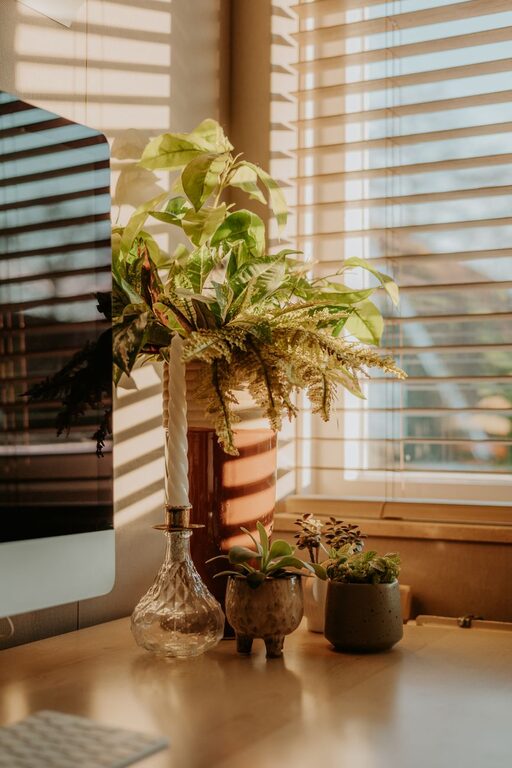
Creating a relaxing home workspace is essential for anyone looking to stay productive while maintaining a sense of well-being. When your workspace feels calm and inviting, it can reduce stress and help you focus better. Whether you’re working full-time from home or just need a dedicated spot for occasional tasks, setting up a space that promotes relaxation and efficiency can make a big difference. Here are practical tips to help you design a home office that balances comfort and productivity.
Choose the Right Location
Selecting the right spot for your workspace is the first step. Ideally, pick a quiet corner away from distractions, such as the household’s busiest areas. Natural light is a big plus, so try to position your desk near a window if possible. A space with enough room for your equipment and some personal touches will make your workspace more inviting.
Invest in Comfortable Furniture
Comfort is key to creating a relaxing work environment. Choose an ergonomic chair that supports your posture and allows you to sit for long periods without discomfort. A desk at the right height will reduce strain on your wrists and shoulders. Consider adjustable furniture if you want to switch between sitting and standing throughout the day.
Keep It Organized and Clutter-Free
Clutter can lead to distraction and stress. Use organizers, shelves, and drawers to keep your supplies tidy. Designate spots for your most-used items so they’re easy to find. A clean workspace helps your mind feel clearer, allowing you to stay focused on tasks.
Use Soothing Colors and Decor
Color impacts mood and productivity. Soft, calming colors like blues, greens, or neutrals can help ease tension. Avoid harsh or overly bright colors that may cause fatigue. Add personal touches like plants, artwork, or photos to create a space that feels welcoming and peaceful.
Control Lighting
Lighting has a big influence on your comfort and alertness. Natural light is ideal, but if that’s limited, choose soft, warm lighting rather than harsh fluorescent bulbs. A desk lamp with adjustable brightness can help you avoid eye strain, especially during late hours.
Incorporate Nature
Bringing elements of nature into your workspace can improve mood and reduce stress. Houseplants are great for freshening air and adding a touch of green. Even small succulents or a vase of fresh flowers can make a difference. If outdoor space is nearby, consider positioning your desk to enjoy views of nature.
Minimize Noise and Distractions
Ambient noise or interruptions can break your concentration. Use noise-cancelling headphones or play soothing background music if you’re in a noisy environment. Communicate with others in your home about your work hours to limit interruptions whenever possible.
Take Regular Breaks
A relaxing workspace also supports healthy work habits. Set reminders to stand up, stretch, and step away from your desk regularly. Short breaks help reduce fatigue, foster creativity, and maintain well-being.
Add Scents for Calmness
Aromatherapy can enhance relaxation and focus. Consider using essential oil diffusers with calming scents like lavender, eucalyptus, or peppermint. Just make sure any scents you use are subtle and don’t interfere with your ability to concentrate.
Personalize Your Space with Intention
Lastly, personalize your workspace not with clutter but meaningful items that inspire you. A motivational quote, a favorite mug, or a small collection of books can create a positive and inviting atmosphere tailored to your preferences.
—
By following these tips, you can craft a home workspace that not only boosts your productivity but also nurtures your mental and physical well-being. A relaxing environment helps you stay motivated and makes working from home a more enjoyable experience. Take time to create a space that works for you — your comfort and focus are worth it!